Business License

Item-level UHF RFID Label: The Ultimate Game-Changer for Retail Supply Chain Optimization
Introduction
The modern retail industry is grappling with unprecedented supply chain challenges, including inaccurate inventory data, inefficient manual stocktaking, frequent out-of-stock issues, delayed order fulfillment, and disjointed omnichannel operations. Traditional barcode tracking and batch-level inventory management can no longer meet the demands of fast-paced consumer shopping and global retail logistics. In this context, item-level UHF RFID labels have emerged as a transformative technology, enabling granular, real-time tracking of every single product across the entire retail supply chain—from manufacturing warehouses and distribution centers to physical store shelves and final consumer sales. As a cost-effective, high-precision, and scalable solution, item-level UHF RFID labeling is redefining retail supply chain efficiency, visibility, and profitability for global retailers.
What Makes Item-level UHF RFID Labels Stand Out?
Ultra-High Frequency (UHF) RFID technology, operating in the 860–960 MHz spectrum and compliant with the ISO 18000-6C (EPC Gen2) global standard, delivers unique advantages that outperform conventional tracking tools. Unlike barcode systems that require line-of-sight scanning and one-by-one manual reading, item-level UHF RFID labels support non-line-of-sight, bulk simultaneous scanning, allowing hundreds of individual product tags to be read within seconds. This core feature lays the foundation for intelligent retail supply chain management.
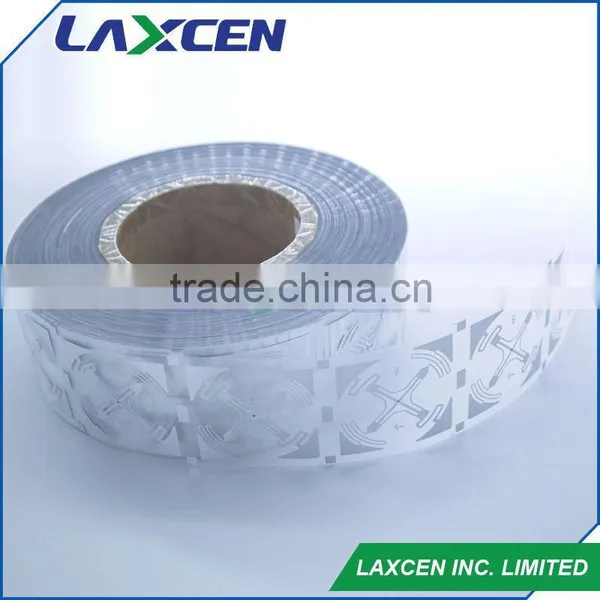
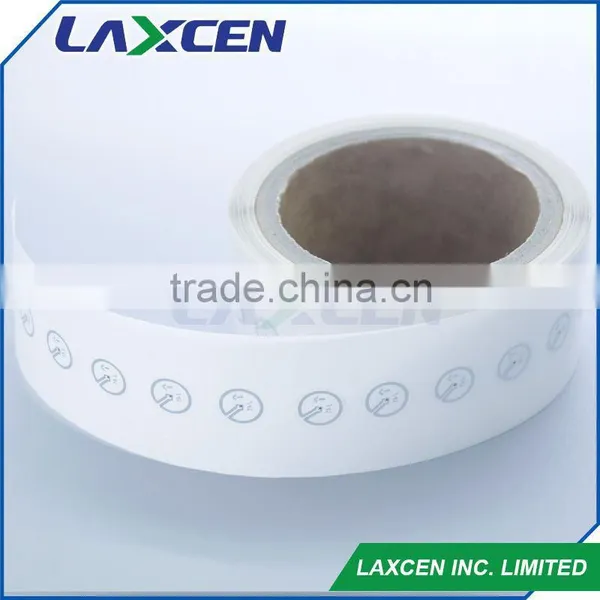
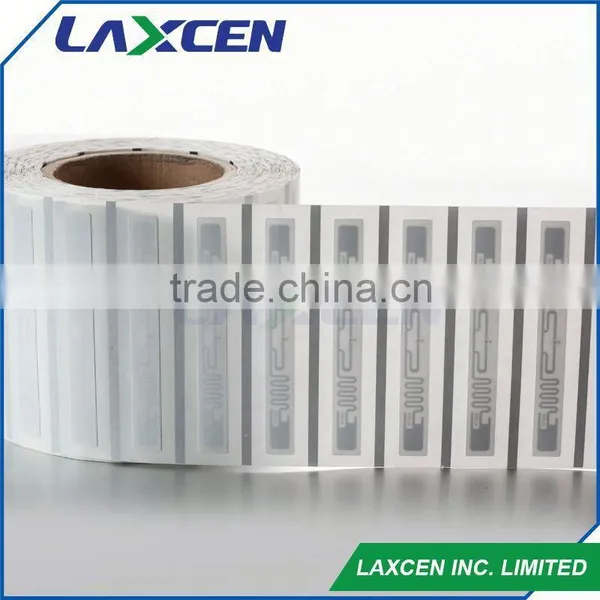
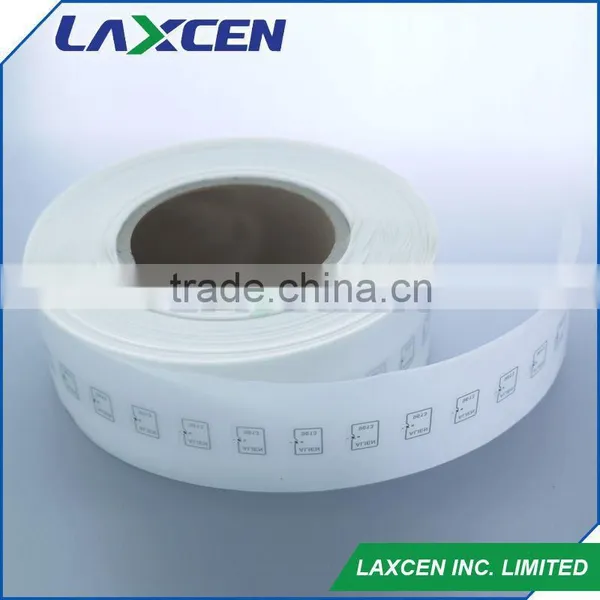
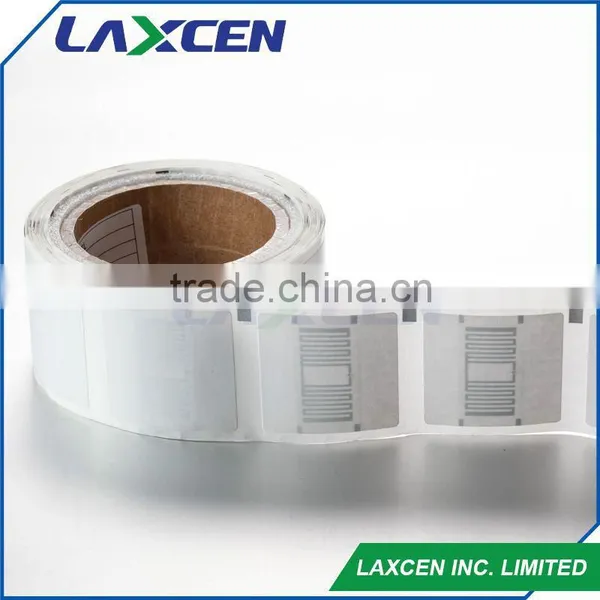
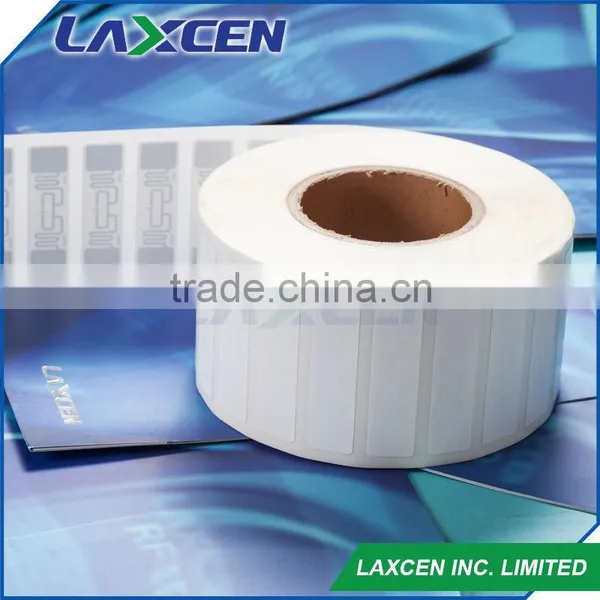
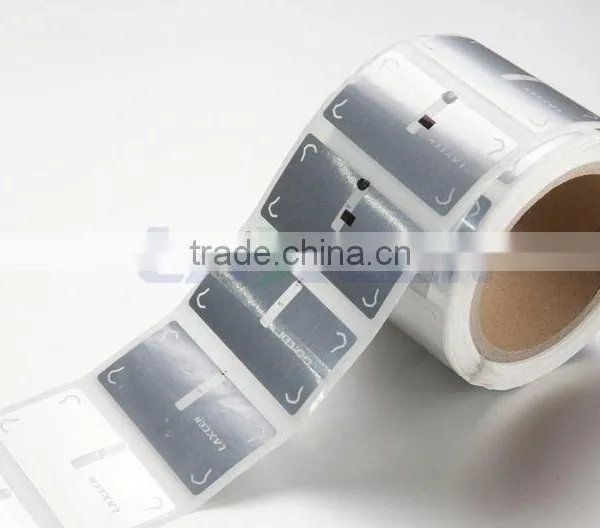
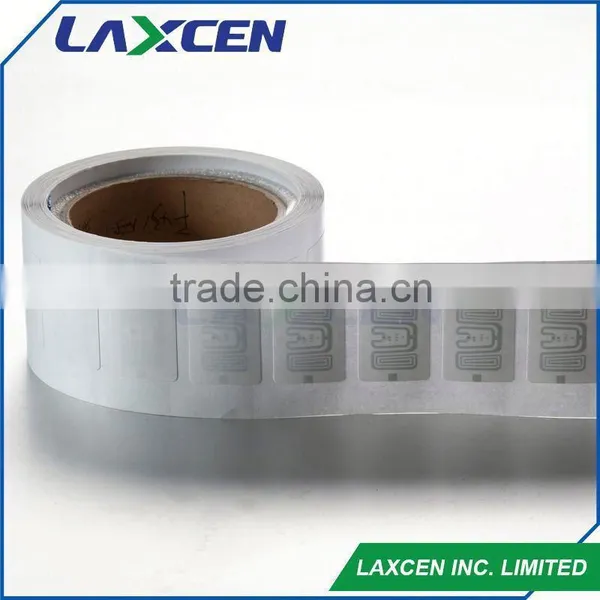
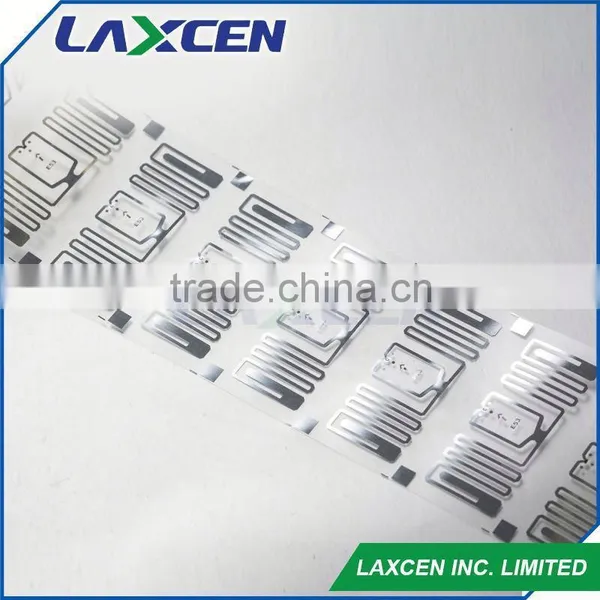
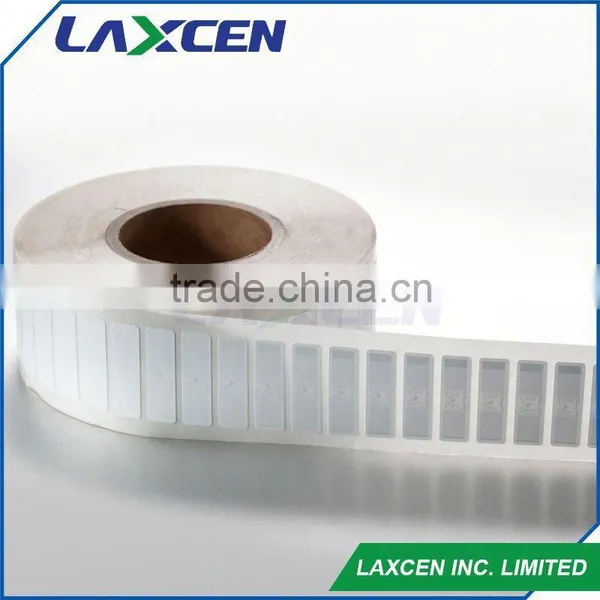
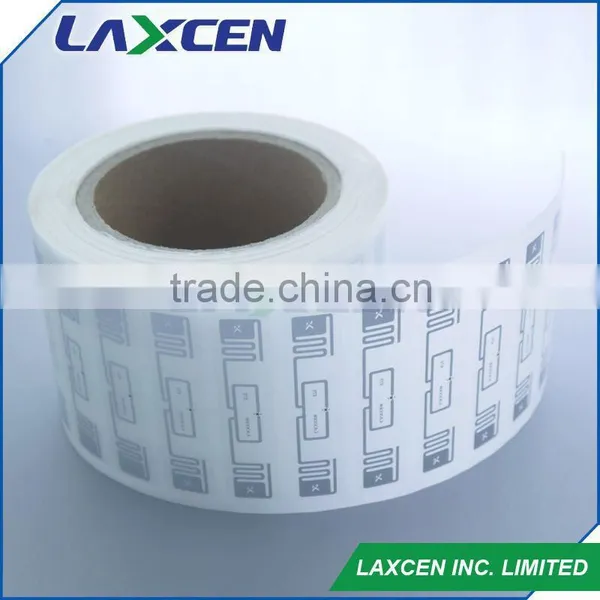
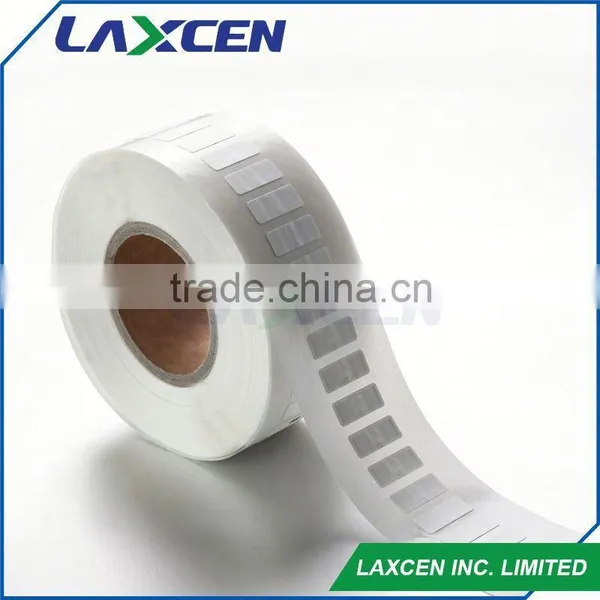
Different from pallet or batch-level RFID tagging, item-level labeling assigns a unique electronic product code (EPC) to every single commodity. Each low-cost passive UHF RFID label—priced as low as $0.05–$0.1 per unit—stores exclusive product information, including production batch, origin, specifications, logistics records, and sales data. With a reading range of up to 6 meters and stable performance even in stacked or densely packed inventory environments, these labels adapt perfectly to complex warehouse storage, transportation, and in-store display scenarios. Additionally, durable UHF RFID labels can withstand repeated logistics circulation, return processing, and long-term shelf placement, supporting full lifecycle product tracking.
Core Values of Item-level UHF RFID Labels for Retail Supply Chain Optimization
1. Boost Inventory Accuracy and Eliminate Stock Discrepancies
Inventory inaccuracy is the top cause of lost retail sales, unsold inventory waste, and poor customer experience. Traditional manual inventory counting is time-consuming, labor-intensive, and prone to human error, resulting in a typical inventory accuracy rate of only 60–70% for conventional retail operations. By deploying item-level UHF RFID labels combined with fixed portal readers and handheld mobile terminals, retailers can achieve automated, real-time inventory updates with95–99% inventory accuracy.
Full-scale item-level tracking eliminates blind spots in stock management. Retailers can instantly grasp the exact quantity, location, and status of each product, whether in transit, stored in warehouses, displayed on shelves, or reserved for online orders. This drastically reduces out-of-stock and overstock situations, optimizes stock allocation, and effectively cuts inventory holding costs. Industry leaders including Zara, Uniqlo, and Nike have fully adopted item-level UHF RFID tagging, achieving remarkable improvements in stock management efficiency.
2. Dramatically Improve Operational and Logistics Efficiency
Retail supply chain operations, including warehouse receiving, stock putaway, order picking, shipment verification, and in-store stocktaking, have long relied on manual workflows with low productivity. Item-level UHF RFID technology accelerates every link of the supply chain: full warehouse inventory counting that once took hours can now be completed in minutes, boosting inventory checking efficiency by 4–5 times compared with barcode-based systems.
At warehouse loading docks and distribution centers, RFID portals automatically identify all individual items in outgoing and incoming shipments, match product information with delivery orders in real time, and eliminate picking and shipping errors. For retail stores, staff can complete daily shelf stock audits and replenishment checks via handheld RFID devices without interrupting daily operations. This automated workflow greatly reduces labor costs, shortens order fulfillment cycles, and enhances the overall agility of the retail supply chain.
3. Empower Seamless Omnichannel Retail Operations
Modern consumers expect unified shopping experiences across online e-commerce platforms, physical stores, curbside pickup, and home delivery. However, disjointed inventory data between online and offline channels often leads to order cancellation, delayed fulfillment, and customer complaints. Item-level UHF RFID labels break down data silos by synchronizing real-time item-level inventory data across all sales channels.
With precise item tracking, retailers can efficiently support BOPIS (Buy Online, Pick Up In-Store), BORIS (Buy Online, Return In-Store), and cross-store inventory allocation. Each product’s circulation trajectory is fully traceable, enabling flexible inventory scheduling and rapid response to market demand changes. This omnichannel synchronization not only improves order fulfillment rates but also significantly elevates customer shopping satisfaction and loyalty.
4. Optimize Reverse Logistics and Reduce Operational Losses
Product returns and exchanges are an inevitable part of retail business, and inefficient reverse logistics often bring huge cost burdens for retailers. Item-level UHF RFID labels support full lifecycle tracking, remaining functional after product sales and shelf circulation. Retailers such as Best Buy and Decathlon leverage item-level RFID data to realize receiptless return verification, automatic product authenticity identification, and intelligent return routing.
The system can quickly judge whether returned products are suitable for resale, refurbishment, or liquidation, avoiding manual inspection delays and fraud risks. Standardized reverse logistics processes greatly improve return processing efficiency, reduce manual judgment errors, and maximize the recovery value of returned goods, further optimizing the closed-loop retail supply chain.
5. Support Data-Driven Retail Decision-Making
Every scan record of item-level UHF RFID labels generates valuable operational data, covering product circulation speed, shelf residence time, sales hotspots, and inventory turnover. By aggregating and analyzing these item-level data, retailers can accurately grasp consumer demand preferences, product sales performance, and supply chain operation bottlenecks.
This data-driven insight enables scientific procurement planning, dynamic shelf layout optimization, targeted marketing strategies, and supply chain process iteration. Instead of relying on empirical judgment, retailers can make precise operational decisions to reduce operational risks and improve overall business profitability.
Practical Deployment Tips for Item-level UHF RFID Labels
To maximize the value of item-level UHF RFID solutions, retailers need to implement standardized and targeted deployment strategies. First, select high-performance passive UHF RFID labels that adapt to product attributes, including customized anti-metal labels for metal-packaged goods and waterproof, wear-resistant labels for daily consumer goods. Second, unify EPC coding standards to ensure consistent item identification across global supply chain links.
Third, build a complete hardware and software system matching RFID tags, including fixed readers, handheld terminals, and RFID management software, to realize automatic data collection, synchronization, and analysis. Finally, conduct regular system maintenance and staff training to ensure standardized operation and long-term stable application of the RFID system.
Conclusion
In the era of smart retail and digital supply chains, fine-grained item-level management has become an inevitable trend in retail industry upgrading. Item-level UHF RFID labels solve the core pain points of traditional retail supply chains, including low visibility, low efficiency, inaccurate data, and disjointed omnichannel operations. By achieving full-lifecycle item tracking, high-precision inventory management, efficient logistics operation, and data-driven decision-making, this technology effectively reduces retail operating costs, improves supply chain flexibility, and enhances market competitiveness.
As RFID hardware costs continue to drop and technology matures, item-level UHF RFID labeling will become a standard configuration for mainstream retail brands. For forward-looking retailers, deploying item-level UHF RFID solutions is no longer an optional upgrade but a key strategic move to optimize supply chain operations and adapt to future retail competition.
Recently Posted
-
How NFC Adhesive Tags Simplify Asset Management for Exhibitions, Stores and Offices
August 31, 2026IntroductionAsset management is a core operational task for exhibitions, retail stores, and modern offices, yet it remains plagued by outdated, labor-intensive workflows. Traditional management methods—including manual spreadsheet logging, barcode scanning, and visual inventory checks—are prone to human errors, time lags, and data inconsistencies. For temporary exhibition venues with frequently moved equipment, retail storesRead More -
Innovative Uses of NFC Tags for Smart Packaging and Interactive Product Marketing
August 31, 2026IntroductionIn the fast-evolving landscape of consumer marketing and packaging design, brands are constantly seeking ways to transform passive product packaging into active, value-driven touchpoints. Traditional packaging primarily serves basic functions: protecting products, displaying brand information, and conveying usage instructions. However, with the rapid development of proximity communication technology, NFC (Near FieRead More -
Common Pitfalls and Practical Solutions for Fashion Brands Deploying RFID Tags
August 31, 2026In the fast-paced fashion industry, precision inventory control, seamless supply chain circulation, and omnichannel retail efficiency have become core competitive advantages for brands. Radio Frequency Identification (RFID) technology has emerged as a game-changing tool for fashion businesses, enabling real-time inventory tracking, fast stock counting, anti-theft monitoring, and streamlined warehouse and in-store operations.Read More -
Application of UHF RFID Apparel Tags in Fast‑Fashion Supply Chain Traceability
August 31, 2026IntroductionThe fast-fashion industry thrives on rapid design iteration, short production cycles, and high-volume product turnover to capture fleeting consumer fashion trends. However, its ultra-fast operational model also brings inherent supply chain challenges, including opaque product circulation, inaccurate inventory data, inefficient manual auditing, and difficulty in tracking cross-regional goods distribution. TraditionRead More

Contact Us
Recommended Products
-
 2016 New Design RFID Windshield TagUS$ 0.1 - 0.35MOQ: 1 Piece
 -
Professional Mould Design Impinj m4 Rfid LabelUS$ 0.07 - 0.15MOQ: 1 Piece
-
Waterproof Washable Rfid Tags Rfid Sticker Tag Printing & Encoding Service N9US$ 0.05 - 0.15MOQ: 2000 Pieces
-
Custom Passive Programmable Impinj UHF RFID Label E44US$ 0.05 - 0.15MOQ: 2000 Pieces
-
ISO18000-6C Impinj Uhf Rfid Tags Label,uhf Rfid Tags Label,uhf Rfid TagsUS$ 0.05 - 0.05MOQ: 1 Piece
-
Long Read Range UHF Rfid TagUS$ 0.05 - 0.15MOQ: 2000 Pieces
-
Top Quality , General-purpose RFID Inlay , RFID TagUS$ 0.07 - 0.15MOQ: 2000 Pieces
-
Full-Specturm of UHF RFID RFID InlayUS$ 0.05 - 0.15MOQ: 1 Piece
-
Top Selling Rfid Uhf Rfid Label Printing & Encoding Service Laxcen--9662US$ 0.05 - 0.15MOQ: 2000 Pieces
-
UHF Rifd Tag , Rfid Inlay Manufacturer With 10 Years ExperienceUS$ 0.05 - 0.15MOQ: 2000 Pieces
-
Free Sample Impinj Monza 4E UHF RFID Tag RFID Inlay F43US$ 0.05 - 0.15MOQ: 2000 Pieces
-
High Quality EPC Class 1 Gen2 Rfid Tag , Laxcen With Impinj Authorized E53US$ 0.05 - 0.15MOQ: 2000 Pieces
-
Top Quality , UHF RFID Tag , Alien h3 Rfid TagUS$ 0.05 - 0.15MOQ: 1 Piece
-
Best Selling UHF RFID Inlay Label EPC C1 Gen2 E70US$ 0.05 - 0.15MOQ: 2000 Pieces
-
Top Selling, High Quality, UHF RFID Tag Label Manufacturer With 10 Years Experience Alien 9620US$ 0.05 - 0.15MOQ: 2000 Pieces
-
Best Seller With Hot Product Rfid Tag ,rfid Inlay ,wet Inlay ,from Laxcen H42US$ 0.05 - 0.15MOQ: 2000 Pieces
-
Small Size Top Quality RFID Tag,100% Qualified Product J41US$ 0.05 - 0.15MOQ: 2000 Pieces
-
Top Selling, High Quality, UHF RFID Tag Label Manufacturer With 10 Years Experience Alien 9640US$ 0.05 - 0.15MOQ: 2000 Pieces
-
ALN 9613 Best Selling, High Quality, UHF RFID Tag Label Manufacturer With 10 Years Experience Alien 9613US$ 0.05 - 0.15MOQ: 2000 Pieces
-
Custom UHF RFID Label Manufacturer With 10 YearsUS$ 0.05 - 0.15MOQ: 2000 Pieces