Business License

How NFC Adhesive Tags Simplify Asset Management for Exhibitions, Stores and Offices
Introduction
Asset management is a core operational task for exhibitions, retail stores, and modern offices, yet it remains plagued by outdated, labor-intensive workflows. Traditional management methods—including manual spreadsheet logging, barcode scanning, and visual inventory checks—are prone to human errors, time lags, and data inconsistencies. For temporary exhibition venues with frequently moved equipment, retail stores with fast-turnover merchandise, and offices with scattered office supplies and devices, tracking, verifying, and maintaining assets efficiently has long been a major operational pain point.
Thanks to the evolution of smart wireless technology, NFC adhesive tags have emerged as a lightweight, cost-effective, and user-friendly solution to reshape asset management workflows. These ultra-thin, self-adhesive, battery-free tags can be attached to almost any surface, turning physical assets into digitally trackable smart objects. With just a smartphone tap, staff can access real-time asset data, update records, and complete inventory checks. This blog explores how NFC adhesive tags streamline asset management across exhibition, retail, and office scenarios, delivering tangible efficiency and cost benefits.
What Makes NFC Adhesive Tags Ideal for Asset Management?
Before diving into scenario-based applications, it is essential to understand the core advantages that make NFC adhesive tags superior to traditional asset labeling tools. Unlike bulky RFID devices or easily damaged barcodes, NFC adhesive tags are designed for flexible, long-term daily and temporary use.
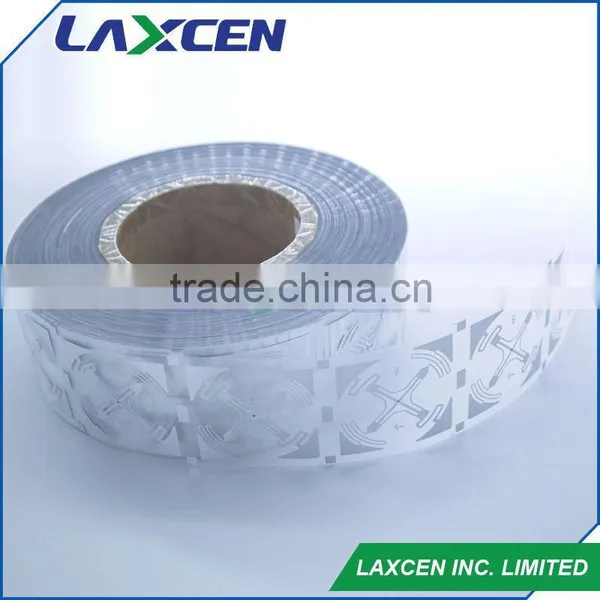
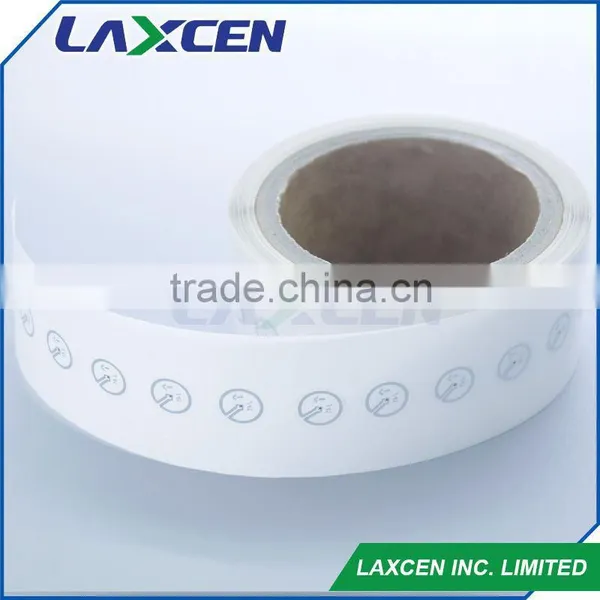
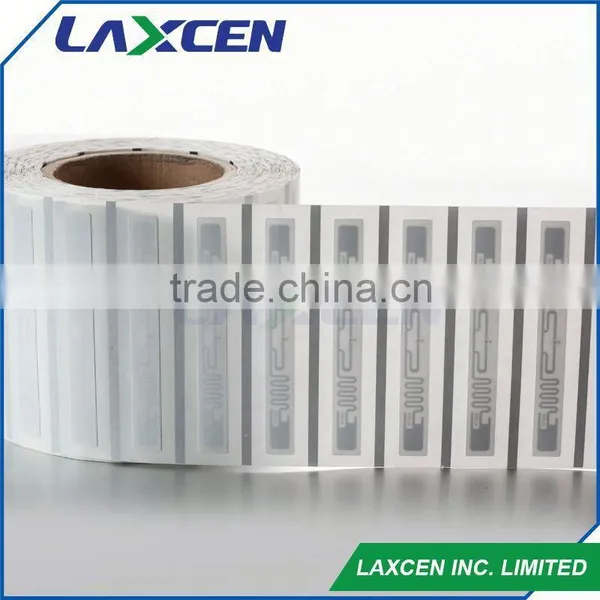
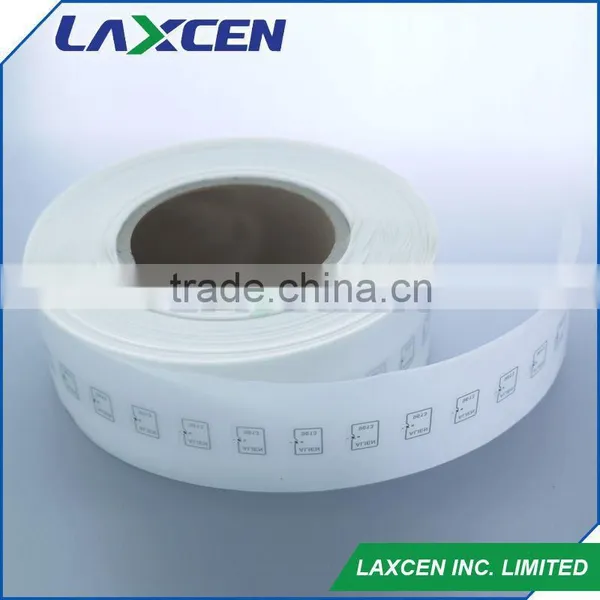
First, they feature easy, tool-free deployment. The strong adhesive backing allows instant attachment to metal, plastic, wood, and glass surfaces, covering exhibition equipment, retail products, office electronics, and furniture. No professional installation or technical training is required, enabling rapid large-scale layout within hours.
Second, they support contactless and efficient data interaction. Compatible with all modern smartphones and NFC-enabled devices, the tags eliminate the need for dedicated scanners. Staff can read, edit, and update asset information anytime, anywhere, completely replacing manual data entry that causes delays and errors.
Third, the tags offer reusable and durable performance. High-quality NFC adhesive tags support repeated data rewriting and feature waterproof, dustproof, and wear-resistant properties. They maintain stable reading accuracy even in busy exhibition environments, crowded retail spaces, and long-term office use, with a service life of several years.
Finally, they deliver low-cost smart transformation. Compared with expensive asset tracking systems and GPS devices, NFC adhesive tags have extremely low unit costs, requiring no complex gateway or hardware investment. They allow small and medium-sized businesses and event organizers to implement intelligent asset management with minimal budget.
Scenario 1: Streamline Dynamic Asset Management for Exhibitions
Exhibition events are characterized by temporary venues, frequent asset mobility, and dense high-value equipment. Exhibition organizers usually need to manage a large number of movable assets such as LED screens, audio systems, lighting equipment, booth furniture, display props, and rental devices. Traditional manual inventory often leads to lost items, misplaced equipment, delayed returns, and unclear asset accountability, resulting in economic losses and chaotic on-site operations.
NFC adhesive tags perfectly solve the dynamic management pain points of exhibition assets. Organizers can attach unique NFC tags to each exhibition device and prop in advance, and bind each tag to detailed digital information including asset model, usage period, responsible person, placement location, rental status, and maintenance records.
During the exhibition setup phase, staff can tap the tags to quickly verify asset arrival and complete check-in registration, avoiding missing or incorrect equipment placement. During the event, on-site managers can instantly query the real-time status of any asset, quickly locate misplaced equipment, and monitor the use of high-value devices to prevent loss and damage. After the exhibition ends, the team can complete full-site asset inventory and return confirmation in a short time, greatly shortening the venue clearance and asset sorting cycle.
In addition, NFC tags can also enhance exhibitor experience. Exhibitors and visitors can tap tags on display booths and exhibits to obtain product introductions, exhibition schedules, and brand information, realizing dual functions of asset management and interactive marketing.
Scenario 2: Optimize Retail Store Inventory and Merchandise Management
Retail stores face persistent asset management challenges including fast merchandise turnover, complex inventory levels, and frequent shelf adjustments. Traditional barcode inventory requires one-by-one aligned scanning, which is inefficient and unable to update dynamic data such as commodity sales status, shelf placement, and replenishment reminders in real time. Manual inventory counting often takes hours or even a whole day, seriously affecting daily store operations.
NFC adhesive tags bring efficient and refined management to retail store assets and merchandise. Retailers can attach tags to shelf goods, display samples, store equipment (cash registers, shopping carts, display cabinets), and inventory materials. Each tag records commodity specifications, purchase price, shelf life, inventory quantity, and replenishment thresholds.
For daily inventory checks, staff only need to tap the tags with a smartphone to complete batch data collection, reducing inventory time by more than 70% compared with traditional methods and eliminating manual counting errors. When goods are sold or restocked, managers can update tag data in real time to ensure consistent online and offline inventory information, effectively avoiding out-of-stock and overstock issues.
Moreover, for chain store brands, NFC tag data can be synchronized with the back-end management system. Headquarters can remotely view the asset and inventory status of each offline store, realize unified scheduling and refined management of cross-store assets, and greatly improve the overall operational efficiency of the retail chain.
Scenario 3: Realize Efficient and Intelligent Office Asset Monitoring
Office assets cover a wide range of scattered items, including computers, printers, projectors, office desks and chairs, stationery, and intelligent office equipment. For enterprises of all sizes, scattered office assets often lead to ambiguous asset ownership, low utilization rates, difficult regular maintenance, and serious waste of idle assets. Traditional annual fixed asset inventory is inefficient and cannot form full-life-cycle asset management.
Applying NFC adhesive tags to office asset management achieves full-process digital tracking from asset procurement, distribution, use, maintenance to scrapping. The administrative team can paste NFC tags on all office assets and bind information such as asset serial number, purchaser, usage department, user, purchase date, and maintenance cycle.
In daily management, when employees receive or transfer office equipment, they can complete asset registration and handover by simply tapping the tag, realizing traceable asset flow. For equipment requiring regular maintenance such as printers and air conditioners, the system can automatically remind staff of maintenance time based on tag data, reducing equipment failure rates and extending asset service life. During regular inventory, administrators can complete rapid asset verification throughout the office, quickly sort out idle assets, and optimize asset allocation to improve overall resource utilization.
Core Benefits of NFC Adhesive Tag Asset Management
Across exhibition, retail and office scenarios, NFC adhesive tags deliver consistent and remarkable operational value for modern asset management:
1. Improve operational efficiency: Replace tedious manual recording and traditional scanning workflows, reduce inventory and asset checking time significantly, and free up human resources for core business operations.
2. Reduce management costs: Minimize human error and asset loss caused by manual management, cut unnecessary asset repurchases and maintenance costs, and achieve low-cost intelligent management upgrading.
3. Realize full-life-cycle asset tracking: Record the complete usage track of each asset, clarify responsible subjects, solve the problems of ambiguous asset attribution and difficult traceability, and standardize enterprise asset management processes.
4. Strong scenario adaptability: Lightweight, flexible and easy to attach, suitable for temporary exhibition scenes, dynamic retail environments and long-term fixed office scenarios, with no restrictions on application surfaces and spaces.
Conclusion
Traditional asset management models relying on manual work can no longer adapt to the efficient and intelligent operational needs of modern exhibitions, retail stores and offices. As a lightweight, low-cost and high-efficiency smart tool, NFC adhesive tags break the limitations of traditional management methods, simplify complex asset tracking and inventory workflows, and realize digital, visualized and refined full-life-cycle asset management.
Whether it is temporary dynamic asset scheduling for exhibitions, precise inventory management for retail stores, or standardized asset monitoring for offices, NFC adhesive tags provide reliable and practical smart solutions. For enterprises and event organizers pursuing operational efficiency and standardized management, deploying NFC adhesive tag asset management systems has become an inevitable trend of digital transformation in the new era.
Recently Posted
-
Innovative Uses of NFC Tags for Smart Packaging and Interactive Product Marketing
August 31, 2026IntroductionIn the fast-evolving landscape of consumer marketing and packaging design, brands are constantly seeking ways to transform passive product packaging into active, value-driven touchpoints. Traditional packaging primarily serves basic functions: protecting products, displaying brand information, and conveying usage instructions. However, with the rapid development of proximity communication technology, NFC (Near FieRead More -
Common Pitfalls and Practical Solutions for Fashion Brands Deploying RFID Tags
August 31, 2026In the fast-paced fashion industry, precision inventory control, seamless supply chain circulation, and omnichannel retail efficiency have become core competitive advantages for brands. Radio Frequency Identification (RFID) technology has emerged as a game-changing tool for fashion businesses, enabling real-time inventory tracking, fast stock counting, anti-theft monitoring, and streamlined warehouse and in-store operations.Read More -
Application of UHF RFID Apparel Tags in Fast‑Fashion Supply Chain Traceability
August 31, 2026IntroductionThe fast-fashion industry thrives on rapid design iteration, short production cycles, and high-volume product turnover to capture fleeting consumer fashion trends. However, its ultra-fast operational model also brings inherent supply chain challenges, including opaque product circulation, inaccurate inventory data, inefficient manual auditing, and difficulty in tracking cross-regional goods distribution. TraditionRead More -
How RFID Apparel Tags Boost Inventory Counting Efficiency in Fashion Retail Stores
August 31, 2026IntroductionFashion retail is a fast-paced, trend-driven industry defined by frequent product rotations, vast SKU varieties, and strict customer experience demands. From seasonal collections and diverse sizes, colors, and styles to omnichannel sales models, apparel retailers face persistent inventory management challenges. For decades, most fashion stores relied on manual checks and barcode scanning for inventory counting—proRead More

Contact Us
Recommended Products
-
 2016 New Design RFID Windshield TagUS$ 0.1 - 0.35MOQ: 1 Piece
 -
Professional Mould Design Impinj m4 Rfid LabelUS$ 0.07 - 0.15MOQ: 1 Piece
-
Waterproof Washable Rfid Tags Rfid Sticker Tag Printing & Encoding Service N9US$ 0.05 - 0.15MOQ: 2000 Pieces
-
Custom Passive Programmable Impinj UHF RFID Label E44US$ 0.05 - 0.15MOQ: 2000 Pieces
-
ISO18000-6C Impinj Uhf Rfid Tags Label,uhf Rfid Tags Label,uhf Rfid TagsUS$ 0.05 - 0.05MOQ: 1 Piece
-
Long Read Range UHF Rfid TagUS$ 0.05 - 0.15MOQ: 2000 Pieces
-
Top Quality , General-purpose RFID Inlay , RFID TagUS$ 0.07 - 0.15MOQ: 2000 Pieces
-
Full-Specturm of UHF RFID RFID InlayUS$ 0.05 - 0.15MOQ: 1 Piece
-
Top Selling Rfid Uhf Rfid Label Printing & Encoding Service Laxcen--9662US$ 0.05 - 0.15MOQ: 2000 Pieces
-
UHF Rifd Tag , Rfid Inlay Manufacturer With 10 Years ExperienceUS$ 0.05 - 0.15MOQ: 2000 Pieces
-
Free Sample Impinj Monza 4E UHF RFID Tag RFID Inlay F43US$ 0.05 - 0.15MOQ: 2000 Pieces
-
High Quality EPC Class 1 Gen2 Rfid Tag , Laxcen With Impinj Authorized E53US$ 0.05 - 0.15MOQ: 2000 Pieces
-
Top Quality , UHF RFID Tag , Alien h3 Rfid TagUS$ 0.05 - 0.15MOQ: 1 Piece
-
Best Selling UHF RFID Inlay Label EPC C1 Gen2 E70US$ 0.05 - 0.15MOQ: 2000 Pieces
-
Top Selling, High Quality, UHF RFID Tag Label Manufacturer With 10 Years Experience Alien 9620US$ 0.05 - 0.15MOQ: 2000 Pieces
-
Best Seller With Hot Product Rfid Tag ,rfid Inlay ,wet Inlay ,from Laxcen H42US$ 0.05 - 0.15MOQ: 2000 Pieces
-
Small Size Top Quality RFID Tag,100% Qualified Product J41US$ 0.05 - 0.15MOQ: 2000 Pieces
-
Top Selling, High Quality, UHF RFID Tag Label Manufacturer With 10 Years Experience Alien 9640US$ 0.05 - 0.15MOQ: 2000 Pieces
-
ALN 9613 Best Selling, High Quality, UHF RFID Tag Label Manufacturer With 10 Years Experience Alien 9613US$ 0.05 - 0.15MOQ: 2000 Pieces
-
Custom UHF RFID Label Manufacturer With 10 YearsUS$ 0.05 - 0.15MOQ: 2000 Pieces