Business License

Washable & Eco-friendly RFID Labels: The Ultimate Solution for Textile DPP & ESG Compliance
Introduction
The global textile and fashion industry is undergoing an unprecedented sustainability transformation, driven by stricter regulatory policies and growing consumer demand for eco-conscious products. With the EU’s Digital Product Passport (DPP) regulation set to take full effect for textile products by 2027, brands, manufacturers, and supply chain operators are facing urgent requirements for full lifecycle product traceability and transparent sustainability reporting. Meanwhile, ESG compliance has evolved from a voluntary corporate initiative to a mandatory benchmark for industrial competitiveness, determining brand credibility, market access, and investment value.
Traditional textile labeling solutions, including paper tags and ordinary plastic labels, can no longer meet modern industry needs. They are vulnerable to damage during washing, industrial cleaning, and long-term use, fail to record complete product lifecycle data, and generate massive non-recyclable waste that undermines environmental sustainability. In this context, washable and eco-friendly RFID labels have emerged as a game-changing technology, bridging the gap between durable textile asset management, DPP data traceability, and standardized ESG compliance for the textile sector.
Why Traditional Textile Labels Fail Modern Compliance Standards
To understand the value of eco-friendly washable RFID labels, it is essential to identify the core flaws of conventional labeling systems in adapting to DPP and ESG rules.
First, poor durability breaks lifecycle traceability. Most traditional labels fade, tear, or detach after repeated household washing or industrial laundering processes. Without stable carrier for product information, brands cannot continuously record key lifecycle data such as washing cycles, repair records, usage duration, and recycling status — core data required for textile DPP authentication. This results in incomplete product digital archives and failed regulatory compliance.
Second, non-sustainable materials conflict with ESG goals. Disposable paper and plastic labels are mostly non-biodegradable and cannot be recycled with textile fabrics. Each year, billions of discarded textile labels become solid waste, increasing the industry’s carbon footprint and environmental burden. This directly leads to low scores in corporate environmental assessment, hindering ESG certification and sustainable brand development.
Third, inefficient data management hinders supply chain transparency. Manual information recording and static label data cannot support real-time tracking of raw material sourcing, production, distribution, usage, and end-of-life recycling. The lack of dynamic, accurate data makes it impossible for enterprises to complete standardized ESG reporting and meet DPP’s full-life traceability requirements.
Core Advantages of Washable & Eco-friendly RFID Labels for Textiles
Engineered specifically for the textile industry’s complex usage and compliance scenarios, modern washable eco-RFID labels integrate durable performance, environmental friendliness, and intelligent data management, perfectly solving the pain points of traditional solutions.
1. Industrial-Grade Wash Durability for Full Lifecycle Tracking
Professional textile RFID labels adopt soft, fabric-based substrates and waterproof, high-temperature resistant encapsulation technology. They strictly comply with ISO 6330 household washing standards and ISO 15797 industrial washing protocols, withstanding over 50 cycles of 40°C household washing and multiple rounds of 60°C industrial high-temperature cleaning and tumble drying without deformation, fading, or data loss. Some high-end models can even endure more than 200 industrial washing cycles, maintaining stable reading performance throughout the textile’s entire service life. Each label carries a unique Electronic Product Code (EPC), which continuously records product washing records, maintenance history, and usage status, providing complete, credible lifecycle data support for DPP filing.
2. Eco-Friendly Materials Empower True Circular Textiles
Different from traditional non-recyclable labels, eco-friendly RFID textile labels are made of biodegradable, recycled, or plant-based compliant materials, meeting GRS (Global Recycled Standard) and OK Biobased certification requirements. They can be recycled or upcycled together with textile fabrics at the end of product service life, eliminating additional label waste. By replacing disposable labels, this technology effectively reduces textile industry solid waste and carbon emissions, directly optimizing corporate environmental indicators and laying a solid foundation for ESG environmental compliance.
3. Intelligent Data Management Streamlines DPP & ESG Compliance
As the physical carrier of textile Digital Product Passports, RFID labels store core product information including fiber composition, production origin, material certification, carbon footprint data, and recycling guidelines. Through RFID scanning equipment, enterprises can realize automatic collection, real-time update, and cloud synchronization of full supply chain data. This intelligent data system standardizes DPP digital archive establishment, making product traceability fully transparent and compliant. Meanwhile, the systematic accumulation of carbon emission, waste reduction, and resource recycling data greatly simplifies ESG report compilation, enabling enterprises to complete accurate, standardized ESG disclosure efficiently.
Practical Application Scenarios in the Textile Industry
Sustainable Fashion & Apparel Brands
For high-end fashion and casual apparel brands, washable eco-RFID labels help realize full-life product digital management. Brands can trace raw material sourcing and production processes to ensure ethical and sustainable production, while recording consumer usage and maintenance data to support product after-sales service and secondary circulation. This not only meets EU DPP mandatory traceability requirements but also enhances brand sustainable image and market competitiveness.
Industrial Linen & Workwear Management
Hotels, hospitals, and industrial enterprises with large-scale linen and workwear usage rely heavily on repeated washing and recycling. Durable washable RFID labels support intelligent asset management, realizing automatic sorting, counting, and washing cycle statistics of textiles. The extended service life of textiles reduces resource consumption, and standardized data management helps enterprises optimize operational efficiency and improve social and governance indicators in ESG assessments.
Textile Recycling & Circular Economy
At the end of textile products’ lifecycle, RFID label data can quickly identify fabric composition, material purity, and recyclable value, improving the efficiency and accuracy of textile classification and recycling. This promotes large-scale development of textile upcycling and resource regeneration, forming a closed-loop circular economy model and helping the industry achieve sustainable development goals.
Conclusion: RFID Labels Are the Future of Textile Compliance & Sustainability
As global environmental regulations become increasingly stringent and the circular textile economy accelerates development, washable and eco-friendly RFID labels are no longer optional upgrades but essential infrastructure for textile enterprises to achieve DPP traceability and ESG compliance. They break the limitations of traditional labeling technology, realize the integration of product durability, environmental sustainability, and intelligent digital management, and provide a reliable, efficient, and low-carbon solution for the entire textile supply chain.
For forward-looking textile enterprises, adopting eco-friendly washable RFID labels is not only a way to comply with current regulatory requirements but also a strategic investment in long-term sustainable development, helping brands gain advantages in market competition, green certification, and industrial transformation.
Recently Posted
-
How NFC Adhesive Tags Simplify Asset Management for Exhibitions, Stores and Offices
August 31, 2026IntroductionAsset management is a core operational task for exhibitions, retail stores, and modern offices, yet it remains plagued by outdated, labor-intensive workflows. Traditional management methods—including manual spreadsheet logging, barcode scanning, and visual inventory checks—are prone to human errors, time lags, and data inconsistencies. For temporary exhibition venues with frequently moved equipment, retail storesRead More -
Innovative Uses of NFC Tags for Smart Packaging and Interactive Product Marketing
August 31, 2026IntroductionIn the fast-evolving landscape of consumer marketing and packaging design, brands are constantly seeking ways to transform passive product packaging into active, value-driven touchpoints. Traditional packaging primarily serves basic functions: protecting products, displaying brand information, and conveying usage instructions. However, with the rapid development of proximity communication technology, NFC (Near FieRead More -
Common Pitfalls and Practical Solutions for Fashion Brands Deploying RFID Tags
August 31, 2026In the fast-paced fashion industry, precision inventory control, seamless supply chain circulation, and omnichannel retail efficiency have become core competitive advantages for brands. Radio Frequency Identification (RFID) technology has emerged as a game-changing tool for fashion businesses, enabling real-time inventory tracking, fast stock counting, anti-theft monitoring, and streamlined warehouse and in-store operations.Read More -
Application of UHF RFID Apparel Tags in Fast‑Fashion Supply Chain Traceability
August 31, 2026IntroductionThe fast-fashion industry thrives on rapid design iteration, short production cycles, and high-volume product turnover to capture fleeting consumer fashion trends. However, its ultra-fast operational model also brings inherent supply chain challenges, including opaque product circulation, inaccurate inventory data, inefficient manual auditing, and difficulty in tracking cross-regional goods distribution. TraditionRead More

Contact Us
Recommended Products
-
 2016 New Design RFID Windshield TagUS$ 0.1 - 0.35MOQ: 1 Piece
 -
Professional Mould Design Impinj m4 Rfid LabelUS$ 0.07 - 0.15MOQ: 1 Piece
-
Waterproof Washable Rfid Tags Rfid Sticker Tag Printing & Encoding Service N9US$ 0.05 - 0.15MOQ: 2000 Pieces
-
Custom Passive Programmable Impinj UHF RFID Label E44US$ 0.05 - 0.15MOQ: 2000 Pieces
-
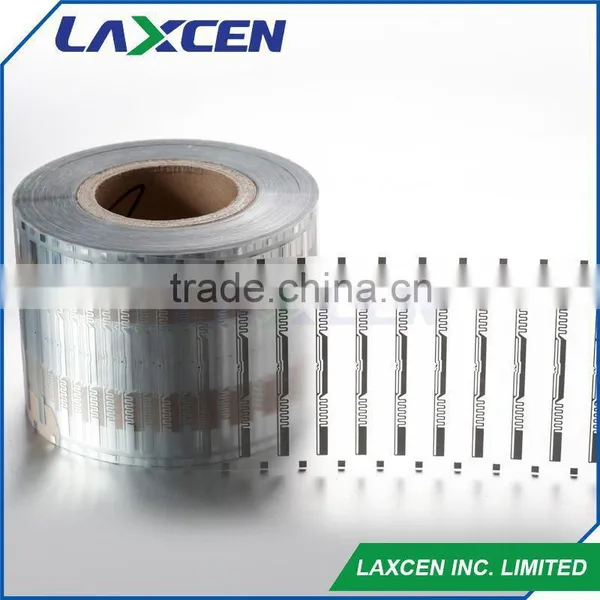
ISO18000-6C Impinj Uhf Rfid Tags Label,uhf Rfid Tags Label,uhf Rfid TagsUS$ 0.05 - 0.05MOQ: 1 Piece
-
Long Read Range UHF Rfid TagUS$ 0.05 - 0.15MOQ: 2000 Pieces
-
Top Quality , General-purpose RFID Inlay , RFID TagUS$ 0.07 - 0.15MOQ: 2000 Pieces
-
Full-Specturm of UHF RFID RFID InlayUS$ 0.05 - 0.15MOQ: 1 Piece
-
Top Selling Rfid Uhf Rfid Label Printing & Encoding Service Laxcen--9662US$ 0.05 - 0.15MOQ: 2000 Pieces
-
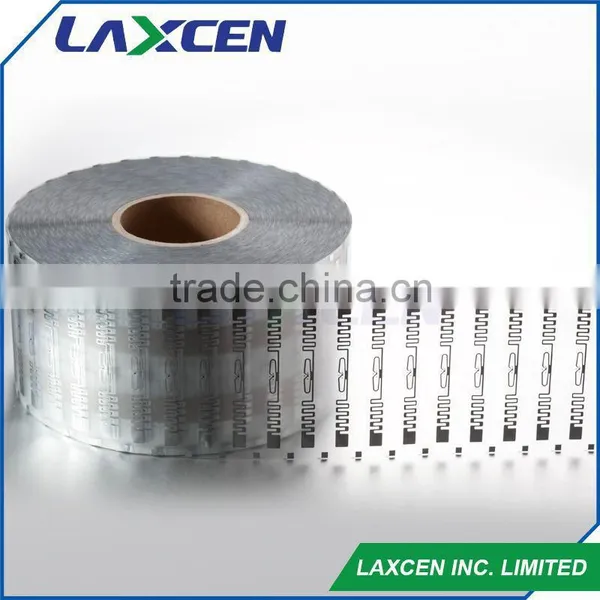
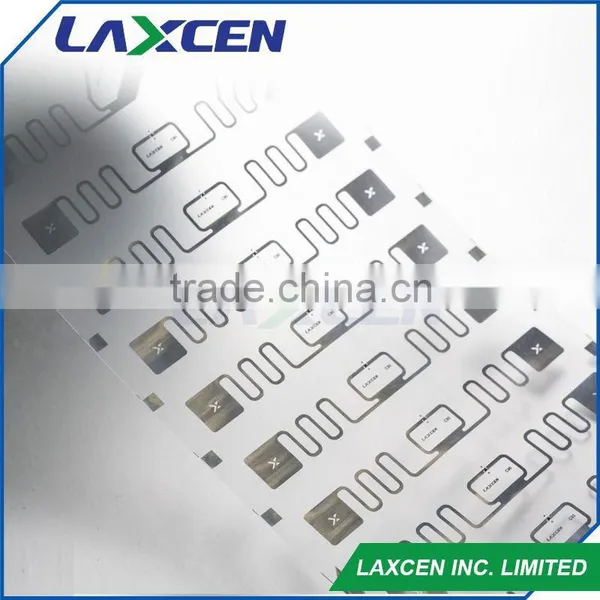
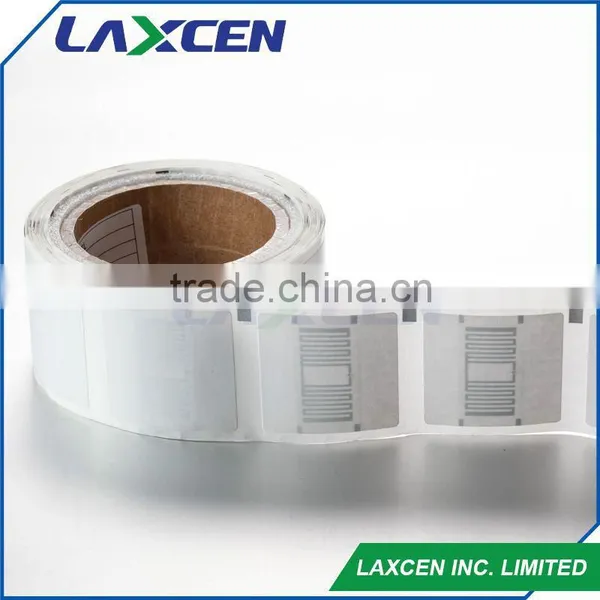
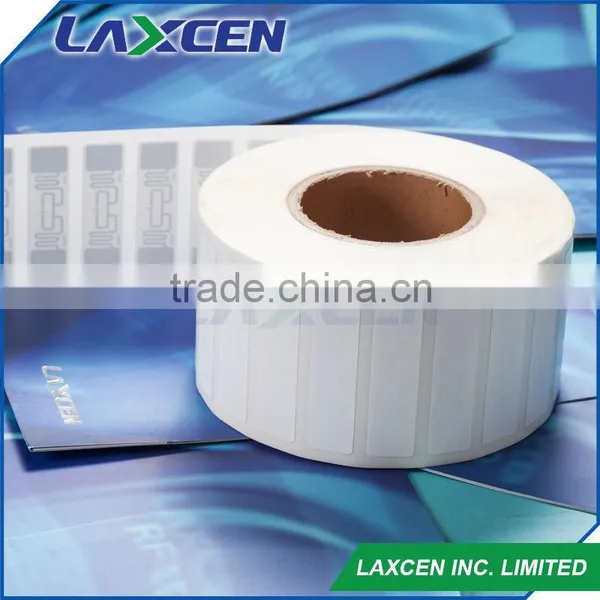
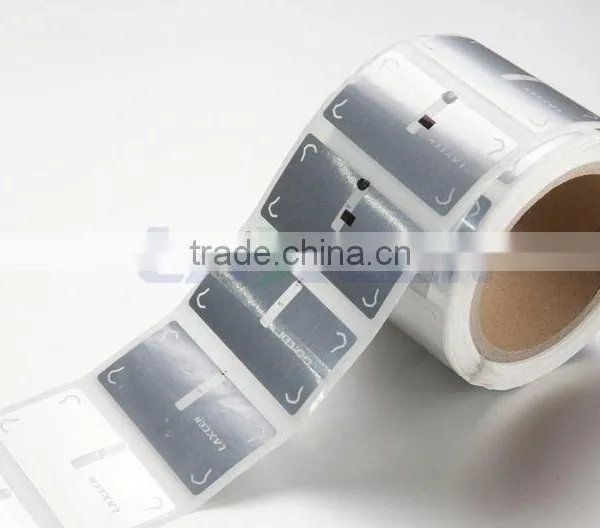
UHF Rifd Tag , Rfid Inlay Manufacturer With 10 Years ExperienceUS$ 0.05 - 0.15MOQ: 2000 Pieces
-
Free Sample Impinj Monza 4E UHF RFID Tag RFID Inlay F43US$ 0.05 - 0.15MOQ: 2000 Pieces
-
High Quality EPC Class 1 Gen2 Rfid Tag , Laxcen With Impinj Authorized E53US$ 0.05 - 0.15MOQ: 2000 Pieces
-
Top Quality , UHF RFID Tag , Alien h3 Rfid TagUS$ 0.05 - 0.15MOQ: 1 Piece
-
Best Selling UHF RFID Inlay Label EPC C1 Gen2 E70US$ 0.05 - 0.15MOQ: 2000 Pieces
-
Top Selling, High Quality, UHF RFID Tag Label Manufacturer With 10 Years Experience Alien 9620US$ 0.05 - 0.15MOQ: 2000 Pieces
-
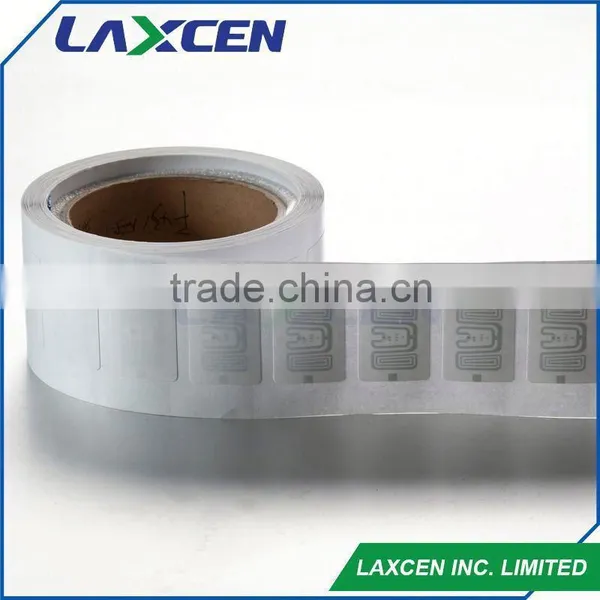
Best Seller With Hot Product Rfid Tag ,rfid Inlay ,wet Inlay ,from Laxcen H42US$ 0.05 - 0.15MOQ: 2000 Pieces
-
Small Size Top Quality RFID Tag,100% Qualified Product J41US$ 0.05 - 0.15MOQ: 2000 Pieces
-
Top Selling, High Quality, UHF RFID Tag Label Manufacturer With 10 Years Experience Alien 9640US$ 0.05 - 0.15MOQ: 2000 Pieces
-
ALN 9613 Best Selling, High Quality, UHF RFID Tag Label Manufacturer With 10 Years Experience Alien 9613US$ 0.05 - 0.15MOQ: 2000 Pieces
-
Custom UHF RFID Label Manufacturer With 10 YearsUS$ 0.05 - 0.15MOQ: 2000 Pieces