Business License

Mini-Size UHF RFID Labels: Ultimate Item-Level Tracking Solution for Jewelry, Eyewear & Small Compon
Introduction
The retail and manufacturing industries dealing with jewelry, eyewear, and tiny precision components have long faced a universal operational dilemma: traditional inventory and tracking methods fall short for miniature, high-value, and densely packed items. Barcode scanning requires manual line-of-sight operation, is vulnerable to scratches and dirt, and cannot support batch reading. Conventional RFID tags are too bulky to attach seamlessly to delicate products, ruining aesthetics and failing to adapt to compact product structures. Additionally, small metal components and polished metal accessories often cause signal interference, further hindering accurate asset identification.
This is where mini-size UHF RFID labels stand out. Optimized for limited installation space and delicate item scenarios, these ultra-compact passive RFID tags deliver reliable long-range reading, anti-interference performance, and invisible integration. They enable precise item-level tracking for high-end jewelry, fashionable eyewear, and micro industrial components, revolutionizing inventory control, anti-loss management, supply chain traceability, and after-sales supervision for small-sized high-value products.
Core Advantages of Mini-Size UHF RFID Labels
1. Ultra-Compact Form Factor for Delicate Product Adaptation
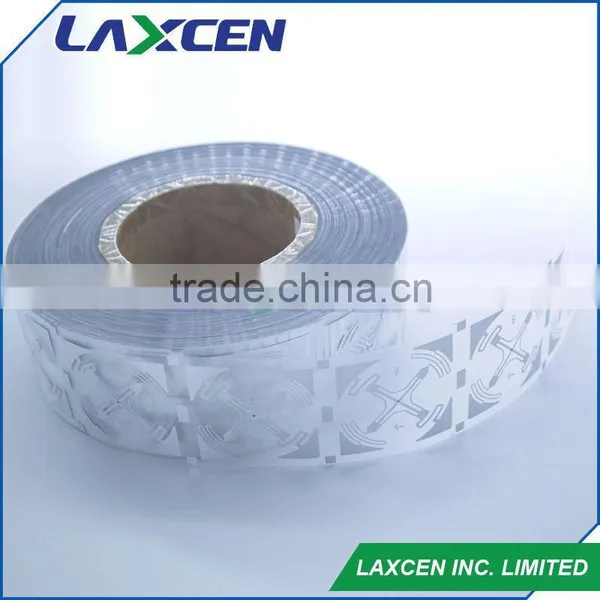
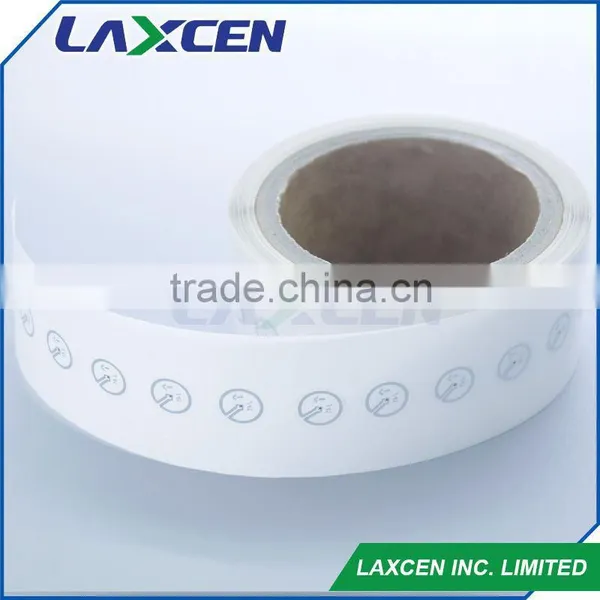
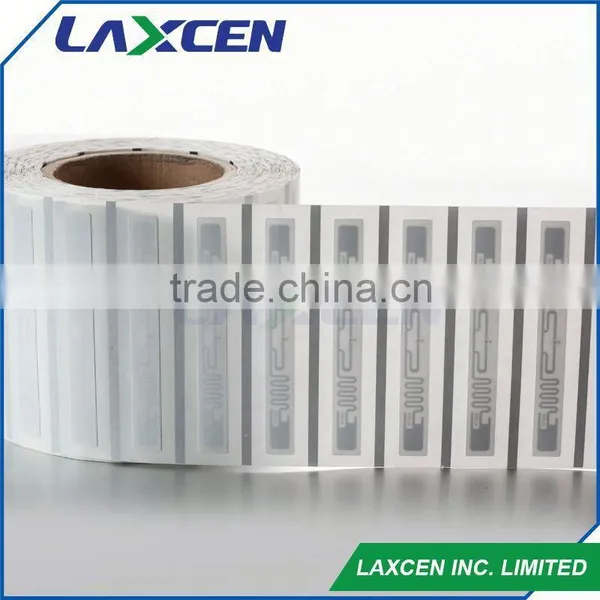
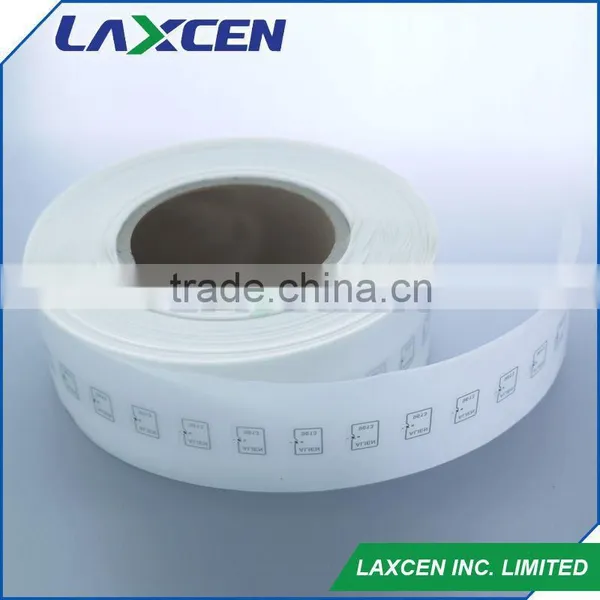
Different from standard UHF RFID labels with large dimensions, mini UHF RFID labels adopt a streamlined flexible inlay or micro ceramic structure, with customizable ultra-small sizes ranging from sub-centimeter dimensions to common compact specifications. The lightweight, thin design ensures zero impact on the appearance, texture, and structural integrity of jewelry pieces, eyeglass frames, lenses, and miniature mechanical components. They can be effortlessly pasted on tiny product surfaces, embedded in hidden grooves of eyewear temples, or attached to jewelry tags, achieving invisible tracking without compromising product aesthetics or user experience.
2. Stable UHF Performance with Strong Anti-Interference Ability
Compliant with the global mainstream EPC Class 1 Gen 2 and ISO 18000-6C standards, mini UHF RFID labels operate in the 860–960 MHz universal UHF frequency band. Despite their miniature size, they retain excellent long-distance reading and high-speed batch reading capabilities. Tuned specially for metal and smooth surface interference, these tags effectively solve the signal attenuation problem caused by metal jewelry, alloy eyewear frames, and metal small components. They maintain stable and accurate identification even in dense stacking scenarios, supporting non-contact mass scanning of hundreds of items within seconds.
3. Passive & Low-Cost for Large-Scale Item-Level Deployment
Most mini UHF RFID tracking labels adopt a passive design with no built-in battery, featuring zero power consumption, ultra-long service life, and maintenance-free operation. Compared with active RFID tags and tiny NFC tags with short reading distances, they balance cost and performance perfectly. The low unit cost supports full-scale item-level coding and tracking for massive small-batch, high-volume products, enabling every single piece of jewelry, eyewear, and precision component to have a unique digital ID for full lifecycle management.
4. Durable & Versatile for Complex Scenarios
Made of high-quality PET, PVC, or ceramic materials, mini UHF RFID labels are resistant to friction, dust, moisture, and low-temperature environments. They adapt to daily retail sales, warehouse storage, logistics transportation, and industrial production links. Some customized versions support tamper-proof design, which will fail once peeled off, effectively preventing product replacement, counterfeiting, and inventory loss, perfectly matching the anti-counterfeiting and security management needs of high-value small products.
Typical Application Scenarios for Small High-Value Items
1. Jewelry Industry: Precision Inventory & Anti-Counterfeiting Tracking
Jewelry products feature high unit value, diverse styles, tiny volume, and easy loss, making manual inventory inefficient and error-prone. Mini UHF RFID labels can be attached to jewelry hang tags or embedded in product hidden positions. Retailers can complete full-store inventory counting in minutes via RFID readers, realizing real-time synchronization of stock data. Meanwhile, the unique EPC code of each tag supports full lifecycle traceability from factory production, warehousing, offline sales to after-sales maintenance, effectively curbing counterfeit and shoddy products and protecting brand credibility and consumer rights.
2. Eyewear Industry: Omni-Channel Asset Management
Eyewear including optical glasses and sunglasses has similar appearance but diverse parameters such as degrees, frame materials, and lens types, leading to easy inventory confusion. Ultra-thin mini UHF RFID labels can be pasted on the inner side of eyewear temples or packaging boxes without affecting wearing and appearance. They help eyewear brands and chain stores realize automatic warehousing classification, quick outgoing inspection, real-time inventory monitoring, and stolen goods tracking. For offline fitting and after-sales maintenance, tag information can be quickly read to query product parameters, sales records, and warranty information, greatly improving service efficiency.
3. Industrial Small Components: Intelligent Production & Inventory Control
In precision manufacturing, electronic assembly, and mechanical processing industries, tiny components such as hardware accessories, micro electronic parts, and precision fasteners are numerous and difficult to manage. Mini anti-metal UHF RFID labels can be stably attached to metal and non-metal small components, supporting item-level tracking of production processing, batch warehousing, distribution and delivery, and spare parts inventory. Manufacturers can accurately monitor the quantity, status, and flow of each component, eliminate material waste and inventory backlog, and realize refined intelligent production management.
Why Replace Traditional Tracking Methods with Mini UHF RFID Labels?
Traditional barcode and manual counting can no longer meet the efficient management needs of modern small high-value products. Barcodes are easily damaged and cannot be read in batches; ordinary RFID tags are too bulky and incompatible with tiny products; manual counting is time-consuming, labor-intensive, and prone to human errors. In contrast, mini-size UHF RFID labels achieve invisible installation, batch identification, anti-interference stability, and full lifecycle traceability, helping enterprises reduce inventory labor costs by more than 60%, improve inventory accuracy to nearly 100%, and greatly reduce product loss and counterfeiting risks.
Conclusion
As retail refinement and industrial intelligence continue to advance, item-level tracking has become an inevitable trend for the management of jewelry, eyewear, and small precision components. Mini-size UHF RFID labels break through the size limitation of traditional RFID identification equipment, with outstanding performance, low deployment cost, and strong scenario adaptability. They provide a reliable, efficient, and intelligent tracking solution for high-value miniature products, helping brands and manufacturing enterprises realize digital upgrading of inventory management, supply chain supervision, and anti-counterfeiting traceability, and gain a competitive edge in the precise market.
Recently Posted
-
How NFC Adhesive Tags Simplify Asset Management for Exhibitions, Stores and Offices
August 31, 2026IntroductionAsset management is a core operational task for exhibitions, retail stores, and modern offices, yet it remains plagued by outdated, labor-intensive workflows. Traditional management methods—including manual spreadsheet logging, barcode scanning, and visual inventory checks—are prone to human errors, time lags, and data inconsistencies. For temporary exhibition venues with frequently moved equipment, retail storesRead More -
Innovative Uses of NFC Tags for Smart Packaging and Interactive Product Marketing
August 31, 2026IntroductionIn the fast-evolving landscape of consumer marketing and packaging design, brands are constantly seeking ways to transform passive product packaging into active, value-driven touchpoints. Traditional packaging primarily serves basic functions: protecting products, displaying brand information, and conveying usage instructions. However, with the rapid development of proximity communication technology, NFC (Near FieRead More -
Common Pitfalls and Practical Solutions for Fashion Brands Deploying RFID Tags
August 31, 2026In the fast-paced fashion industry, precision inventory control, seamless supply chain circulation, and omnichannel retail efficiency have become core competitive advantages for brands. Radio Frequency Identification (RFID) technology has emerged as a game-changing tool for fashion businesses, enabling real-time inventory tracking, fast stock counting, anti-theft monitoring, and streamlined warehouse and in-store operations.Read More -
Application of UHF RFID Apparel Tags in Fast‑Fashion Supply Chain Traceability
August 31, 2026IntroductionThe fast-fashion industry thrives on rapid design iteration, short production cycles, and high-volume product turnover to capture fleeting consumer fashion trends. However, its ultra-fast operational model also brings inherent supply chain challenges, including opaque product circulation, inaccurate inventory data, inefficient manual auditing, and difficulty in tracking cross-regional goods distribution. TraditionRead More

Contact Us
Recommended Products
-
 2016 New Design RFID Windshield TagUS$ 0.1 - 0.35MOQ: 1 Piece
 -
Professional Mould Design Impinj m4 Rfid LabelUS$ 0.07 - 0.15MOQ: 1 Piece
-
Waterproof Washable Rfid Tags Rfid Sticker Tag Printing & Encoding Service N9US$ 0.05 - 0.15MOQ: 2000 Pieces
-
Custom Passive Programmable Impinj UHF RFID Label E44US$ 0.05 - 0.15MOQ: 2000 Pieces
-
ISO18000-6C Impinj Uhf Rfid Tags Label,uhf Rfid Tags Label,uhf Rfid TagsUS$ 0.05 - 0.05MOQ: 1 Piece
-
Long Read Range UHF Rfid TagUS$ 0.05 - 0.15MOQ: 2000 Pieces
-
Top Quality , General-purpose RFID Inlay , RFID TagUS$ 0.07 - 0.15MOQ: 2000 Pieces
-
Full-Specturm of UHF RFID RFID InlayUS$ 0.05 - 0.15MOQ: 1 Piece
-
Top Selling Rfid Uhf Rfid Label Printing & Encoding Service Laxcen--9662US$ 0.05 - 0.15MOQ: 2000 Pieces
-
UHF Rifd Tag , Rfid Inlay Manufacturer With 10 Years ExperienceUS$ 0.05 - 0.15MOQ: 2000 Pieces
-
Free Sample Impinj Monza 4E UHF RFID Tag RFID Inlay F43US$ 0.05 - 0.15MOQ: 2000 Pieces
-
High Quality EPC Class 1 Gen2 Rfid Tag , Laxcen With Impinj Authorized E53US$ 0.05 - 0.15MOQ: 2000 Pieces
-
Top Quality , UHF RFID Tag , Alien h3 Rfid TagUS$ 0.05 - 0.15MOQ: 1 Piece
-
Best Selling UHF RFID Inlay Label EPC C1 Gen2 E70US$ 0.05 - 0.15MOQ: 2000 Pieces
-
Top Selling, High Quality, UHF RFID Tag Label Manufacturer With 10 Years Experience Alien 9620US$ 0.05 - 0.15MOQ: 2000 Pieces
-
Best Seller With Hot Product Rfid Tag ,rfid Inlay ,wet Inlay ,from Laxcen H42US$ 0.05 - 0.15MOQ: 2000 Pieces
-
Small Size Top Quality RFID Tag,100% Qualified Product J41US$ 0.05 - 0.15MOQ: 2000 Pieces
-
Top Selling, High Quality, UHF RFID Tag Label Manufacturer With 10 Years Experience Alien 9640US$ 0.05 - 0.15MOQ: 2000 Pieces
-
ALN 9613 Best Selling, High Quality, UHF RFID Tag Label Manufacturer With 10 Years Experience Alien 9613US$ 0.05 - 0.15MOQ: 2000 Pieces
-
Custom UHF RFID Label Manufacturer With 10 YearsUS$ 0.05 - 0.15MOQ: 2000 Pieces